Komodo Dragon
Deep in the islands of eastern Indonesia lives one of the most fascinating creatures on the planet—the Komodo dragon. Known locally as “ora,” this giant lizard is the largest living reptile in the world and the main attraction of any Komodo Island tour. For travelers visiting Komodo National Park, seeing a Komodo dragon in its natural habitat is not only thrilling but also a once-in-a-lifetime experience.
These prehistoric giants have roamed the earth for millions of years, earning Komodo its reputation as the land of dragons. Whether you join a Komodo day trip, an open trip aboard a phinisi, or a private Komodo cruise, witnessing these animals up close is an absolute highlight of your Labuan Bajo trip.
The Facts About Komodo Dragons
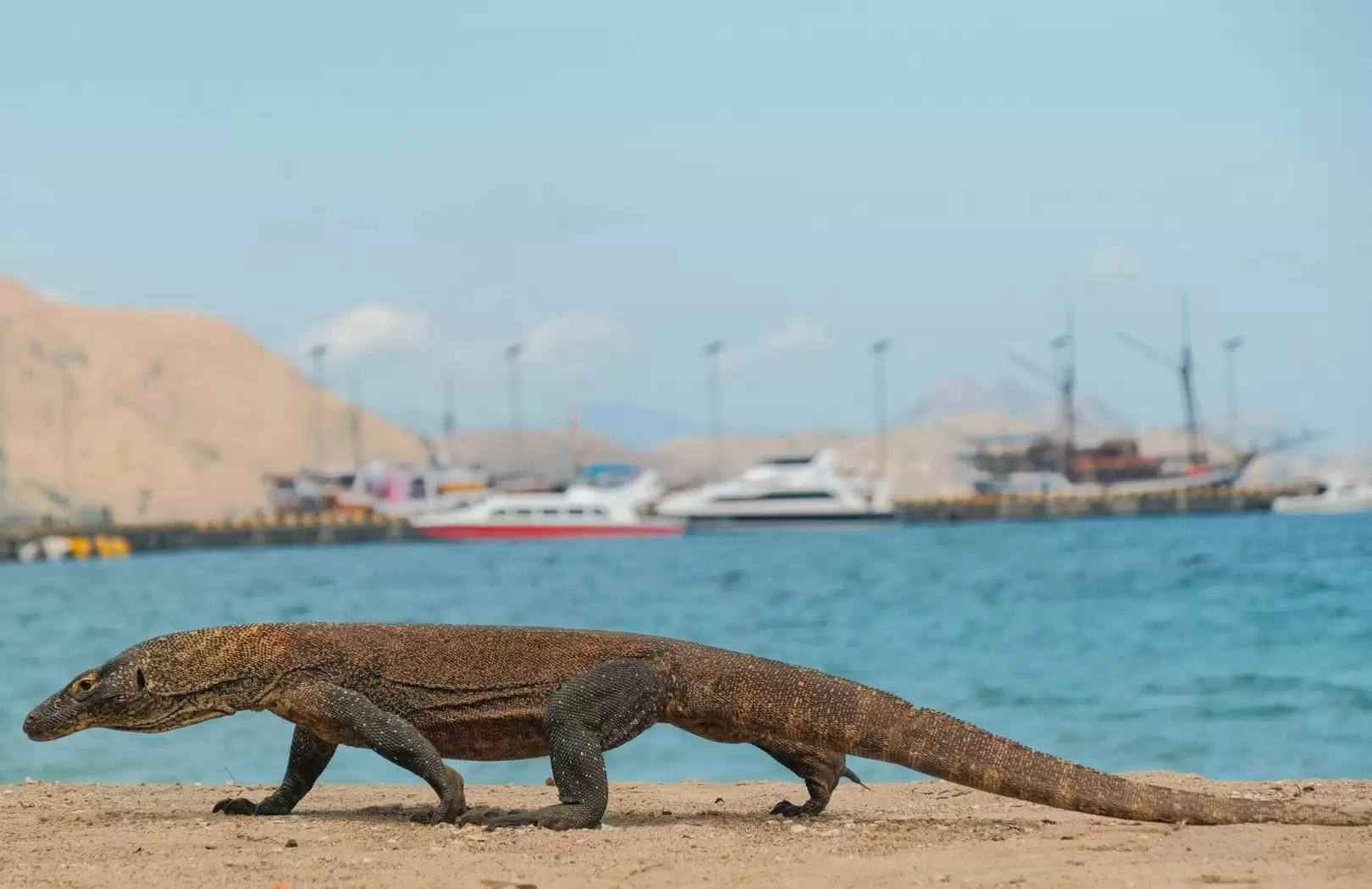
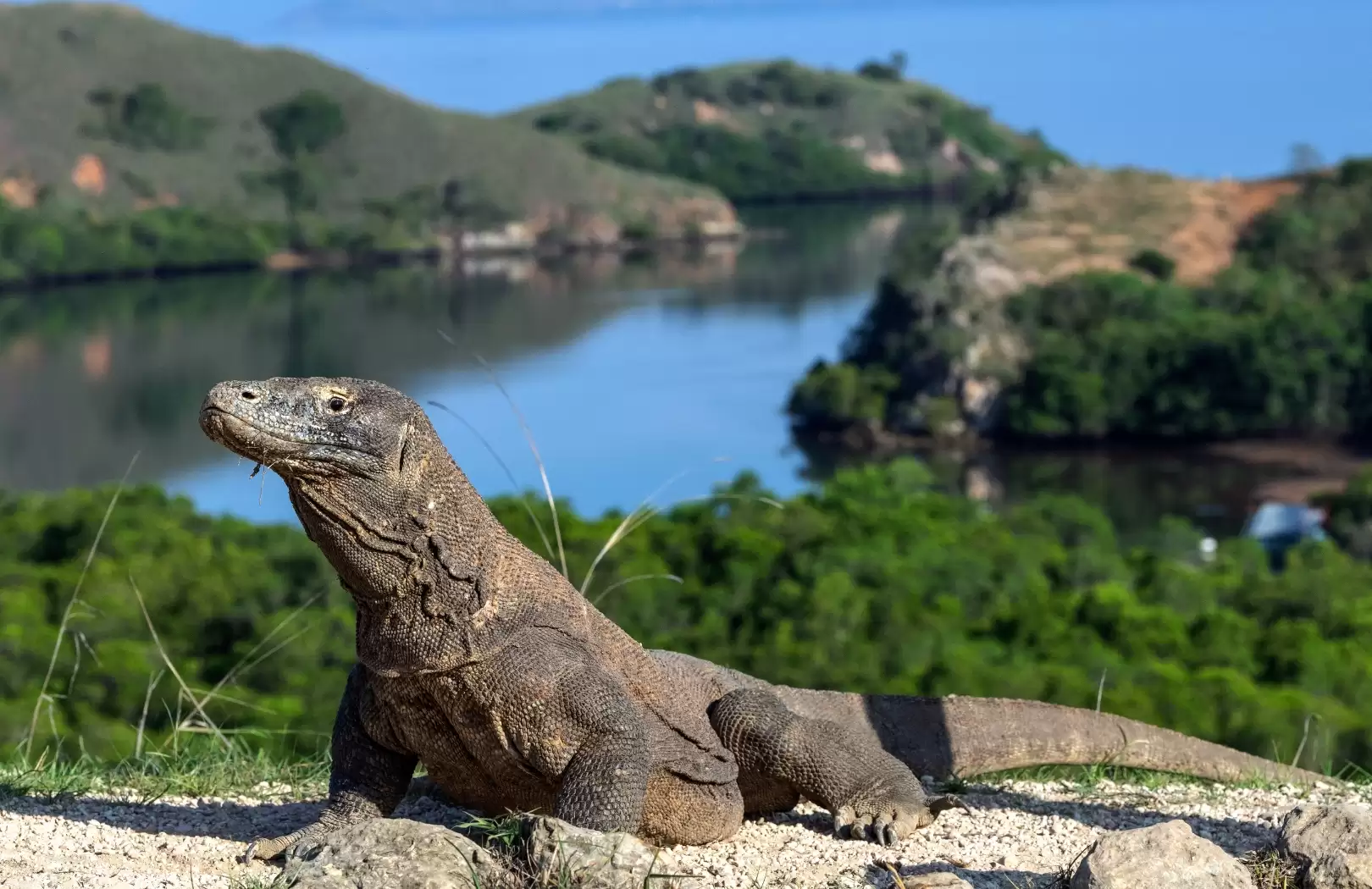
Komodo dragons (Varanus komodoensis) can grow up to 3 meters in length and weigh over 70 kilograms. They are apex predators with powerful jaws, sharp teeth, and strong tails. Despite their size, they are surprisingly agile and can run up to 20 km/h in short bursts.
Their diet consists mostly of deer, wild boar, buffalo, and sometimes smaller dragons. They use a combination of stealth, speed, and their venomous bite to bring down prey. What makes them even more remarkable is their ability to detect carrion from several kilometers away, thanks to an exceptional sense of smell.
Where to See Komodo Dragons
Komodo dragons can be found only in a few islands of Indonesia: Komodo Island, Rinca Island, Gili Motang, Gili Dasami, and parts of Flores. The two most popular places for visitors are Komodo Island and Rinca Island, both located within Komodo National Park.
- Komodo Island: The most famous habitat and home to hundreds of dragons. Trekking here gives you the chance to spot dragons basking in the sun or walking through the forest.
- Rinca Island: Known for more frequent sightings, Rinca offers shorter treks where visitors often encounter dragons near ranger stations or along the trails.
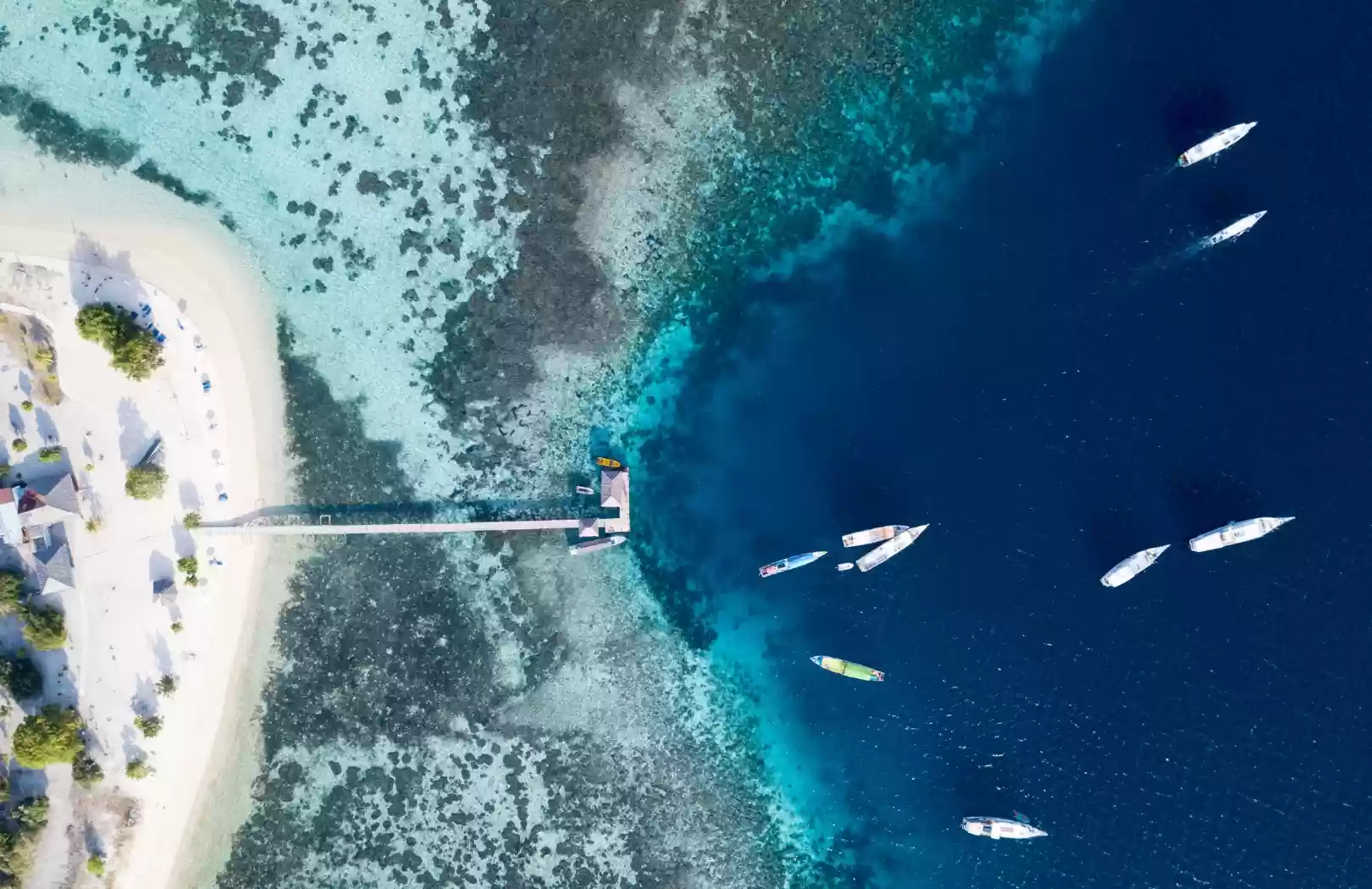
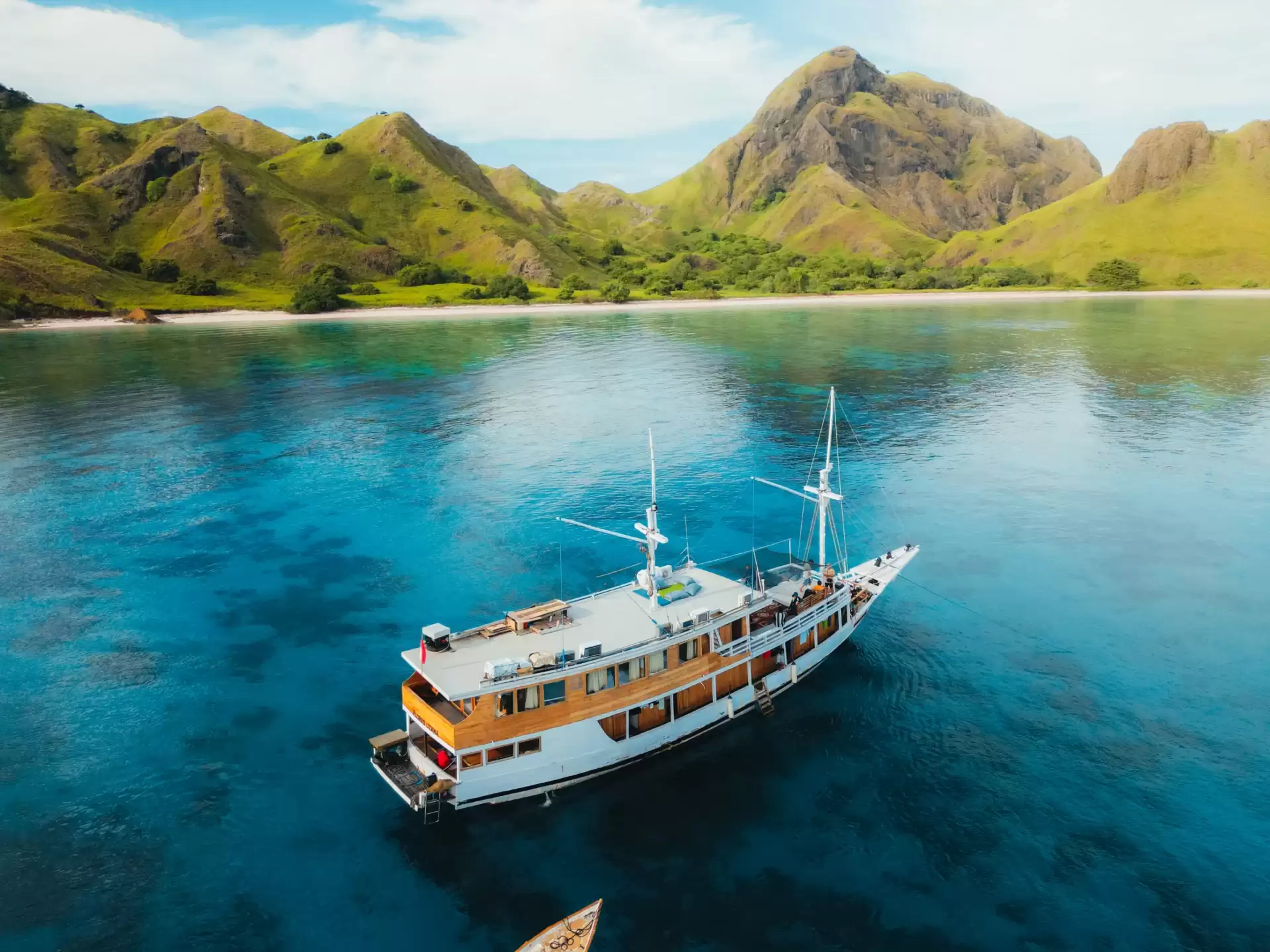
Both islands are included in almost all Komodo sailing trips, whether you choose a one-day speedboat tour or a longer phinisi liveaboard.
The Trekking Experience
A visit to see Komodo dragons usually involves guided trekking with park rangers. The treks vary in length, from short 30-minute walks to longer hikes lasting a few hours. Rangers carry wooden sticks as safety tools, ensuring visitors maintain a safe distance from the dragons.
During the trek, you’ll walk through dry savannah landscapes, tropical forests, and coastal areas. Aside from dragons, you may also encounter wild deer, water buffalo, monkeys, and a variety of bird species. The experience feels like stepping into a Jurassic world, where nature is raw and untamed.
Why the Komodo Dragon is Unique
What sets the Komodo dragon apart is not just its size but its evolutionary history. Scientists believe that these reptiles have survived for millions of years with little change, making them true living fossils.
Other fascinating facts:
- Venomous bite: Their saliva contains toxins that weaken prey.
- Excellent swimmers: Dragons can swim between islands in search of food.
- Strong survival skills: Juveniles often climb trees to escape adult dragons, which sometimes prey on them.
- Reproduction: Females can reproduce both sexually and through parthenogenesis (without males), a rare phenomenon in nature.
Safety When Visiting Komodo Dragons
Seeing a Komodo dragon is an exhilarating experience, but safety is paramount. Here are important tips:
- Always stay with your ranger – Never wander off alone.
- Keep a safe distance – Dragons may look calm, but they can move quickly.
- Do not provoke or feed them – This can be extremely dangerous.
- Wear comfortable shoes – Trekking involves uneven terrain.
- Stay calm – If a dragon approaches, follow the ranger’s instructions.
Thanks to strict regulations and professional guides, visiting Komodo Island and Rinca is safe and enjoyable, provided you respect the rules.
The Role of Komodo Dragons in the Ecosystem
Komodo dragons play a vital role in maintaining the balance of their ecosystem. As apex predators, they regulate populations of deer, wild boar, and other animals. Their scavenging habits also help clean the environment by consuming carrion. Protecting these creatures is not just about saving a species—it’s about preserving an entire ecosystem.
Conservation and Protection Efforts
The Komodo National Park was established in 1980 to protect Komodo dragons and their habitat. In 1991, it was declared a UNESCO World Heritage Site. Today, conservation efforts continue to ensure the survival of the dragons amid challenges like habitat destruction, illegal hunting of prey animals, and the effects of climate change.
Park fees collected from visitors contribute directly to conservation programs, ranger patrols, and local community support. By visiting responsibly, travelers play a part in sustaining this fragile ecosystem.
Best Way to See Komodo Dragons
- Komodo Day Trip: A speedboat adventure that takes you to Padar Island, Pink Beach, and Komodo Island, where you’ll do a guided trek to spot dragons. Perfect for short stays.
- Komodo Open Trip: Join a 3-day sailing journey aboard a shared phinisi boat, visiting Komodo, Rinca, and other snorkeling spots like Manta Point. A great choice for budget-friendly exploration.
- Komodo Private Cruise: Charter a boat for your group and enjoy flexible itineraries with more time to trek and photograph Komodo dragons. Ideal for families or special occasions.
Why Seeing Komodo Dragons is Unforgettable
Standing face to face with a Komodo dragon is an awe-inspiring moment. Their sheer size, prehistoric appearance, and calm dominance over the land make you feel like you’re meeting a creature from another era. Many travelers say it’s the most unforgettable part of their Labuan Bajo trip.
The combination of adventure, wildlife, and dramatic landscapes ensures that your Komodo experience is more than just a tour—it’s a story worth telling for years to come.
Conclusion
The Komodo dragon is more than just an animal—it is a symbol of Indonesia’s natural heritage and a reminder of the wild beauty that still exists in our world. Visiting Komodo National Park gives you the chance to see these majestic creatures in their natural habitat, alongside breathtaking islands and vibrant marine life.
Whether you join a quick day trip, an adventurous open trip, or a luxurious private Komodo cruise, encountering the Komodo dragon will be the highlight of your journey. Don’t just dream about the dragons—come and see them for yourself.