Kalong Island (Bat Island)
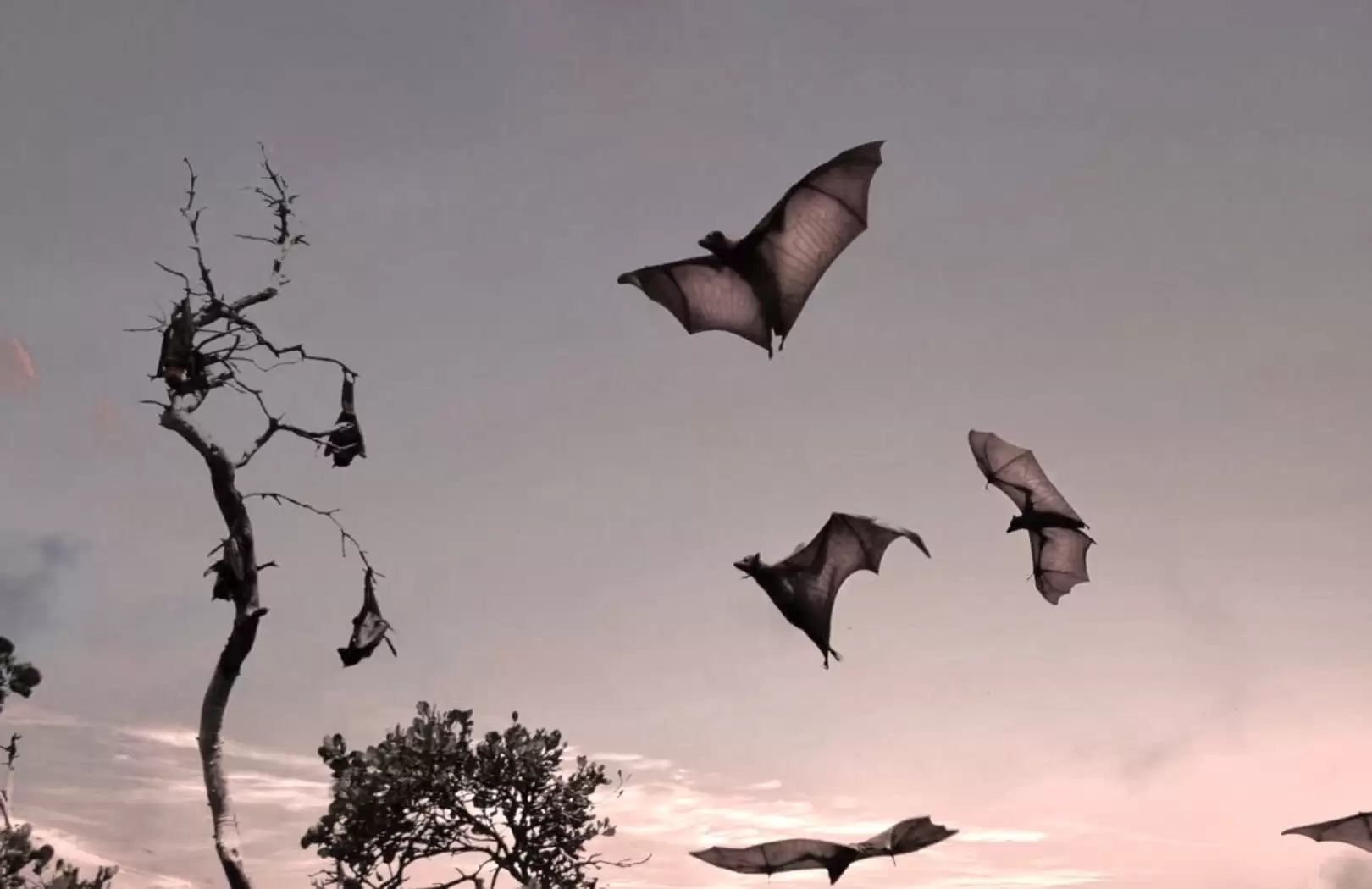
Komodo National Park is full of unforgettable natural wonders—from majestic dragons to pristine pink beaches. But one of the most unique experiences awaits at Kalong Island, also known as Bat Island. Here, every evening at sunset, thousands of giant fruit bats take flight from the mangrove forests, filling the sky in a breathtaking natural spectacle.
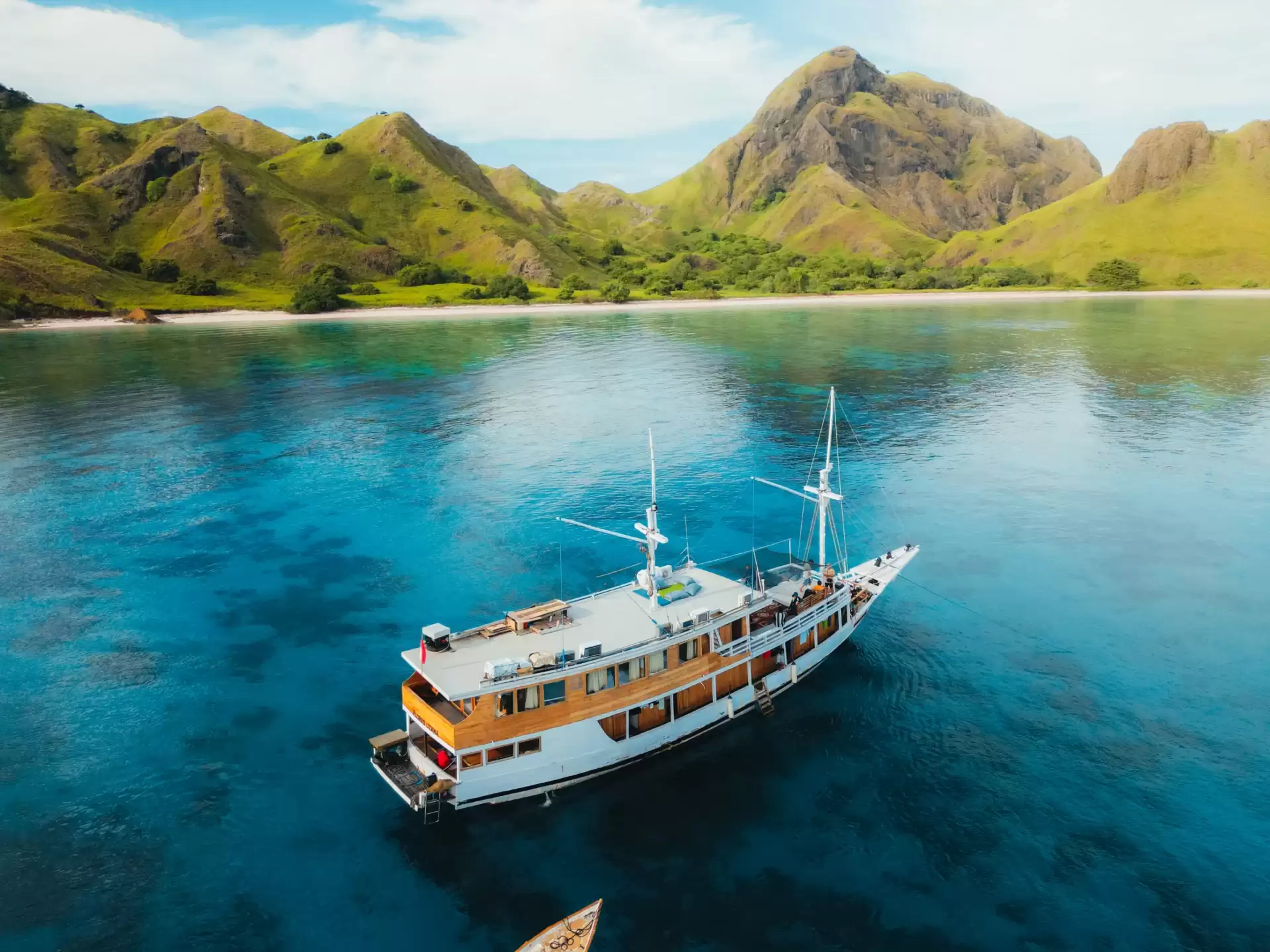
For travelers on a Komodo Island tour, a stop at Kalong Island is the perfect way to end a day of adventure. Whether you’re joining a Komodo day trip, sailing on an open trip phinisi, or enjoying a private Komodo cruise, watching the bats soar across the golden horizon is a memory you will never forget.
What is Kalong Island?
Kalong Island is a small mangrove-covered island located within Komodo National Park. The name “kalong” comes from the Indonesian word for “giant fruit bat.” True to its name, the island is home to thousands of these nocturnal creatures.
During the day, the bats rest among the mangrove trees. As the sun begins to set, they awaken and fly out in massive groups, darkening the sky as they head toward Flores and nearby islands to feed on fruits. The sight of their synchronized movement against the fiery sunset is nothing short of magical.
Why Kalong Island is Special
While other destinations in Komodo are famous for trekking, snorkeling, or diving, Kalong Island stands out because it offers a purely natural wildlife show. The bats’ flight at dusk is not staged or guaranteed by humans—it’s a natural behavior that happens every single day.
The experience combines:
- Scenery: The backdrop of Labuan Bajo’s sunset colors.
- Wildlife: Thousands of flying foxes moving together in harmony.
- Atmosphere: The tranquil sound of waves, the cool evening breeze, and the mystical feeling of nature in motion.
This combination makes Kalong Island a must-visit destination for those who want something truly unique during their Komodo cruise.
Best Time to Visit Kalong Island
The magic at Kalong happens every day, but the best time to see it is during sunset hours (around 6:00 – 6:30 PM). Your boat will anchor near the island, and you’ll watch from the deck as the bats take off in waves, silhouetted against the fading sunlight.
The experience is available year-round, but the dry season from April to October usually offers clearer skies and more vibrant sunsets. Many itineraries plan Kalong Island as the final stop on Day 1 of a 3D2N Komodo sailing trip or as the closing highlight of a Komodo day trip.
What to Expect During the Experience
When your boat arrives near Kalong Island, the captain will anchor at a safe distance since stepping onto the island is prohibited to protect the mangroves and bats. As the sun sets, you’ll notice the first few bats flying out, followed by thousands more.
The sight of endless silhouettes crossing the sky is mesmerizing. Some boats play soft music, while others let guests enjoy the natural sounds of wings flapping and waves lapping against the hull. Many travelers say it’s one of the most peaceful yet awe-inspiring experiences of their Labuan Bajo trip.
How to Visit Kalong Island
There are three main ways to include Kalong in your itinerary:
- Komodo Day Trip: A full-day speedboat journey covering Padar Island, Pink Beach, Komodo Island, and ending at Kalong Island for the bat show. Perfect for travelers with limited time.
- Komodo Open Trip: A shared phinisi sailing adventure lasting 3 days and 2 nights, where Day 1 usually ends with sunset at Kalong Island. Affordable, social, and highly popular with backpackers and couples.
- Komodo Private Cruise: For families or groups who want flexibility, a private charter allows you to stay longer near Kalong, enjoy dinner onboard, and watch the bats in a private, intimate setting.
Tips for Visiting Kalong Island
- Bring a Camera with Good Low-Light Settings – The contrast of bats against the sunset is stunning.
- Arrive Early – Position your boat before sunset to get the best view.
- Stay on Deck – Landing on the island is prohibited to protect the bats.
- Bring a Light Jacket – The sea breeze gets cooler in the evening.
- Relax and Enjoy – Sometimes the best way to experience Kalong is to put the camera down and simply watch.
Kalong Island and Conservation
Kalong Island’s bats play a vital ecological role by pollinating trees and dispersing seeds, helping maintain the balance of the mangrove ecosystem. Protecting their habitat is essential, which is why visitors are not allowed to step onto the island itself.
By visiting responsibly and supporting eco-friendly tours, travelers help preserve the island for future generations. Every park fee collected during your Komodo National Park trip contributes to conservation and ranger patrols.
Why Kalong Island Completes the Komodo Experience
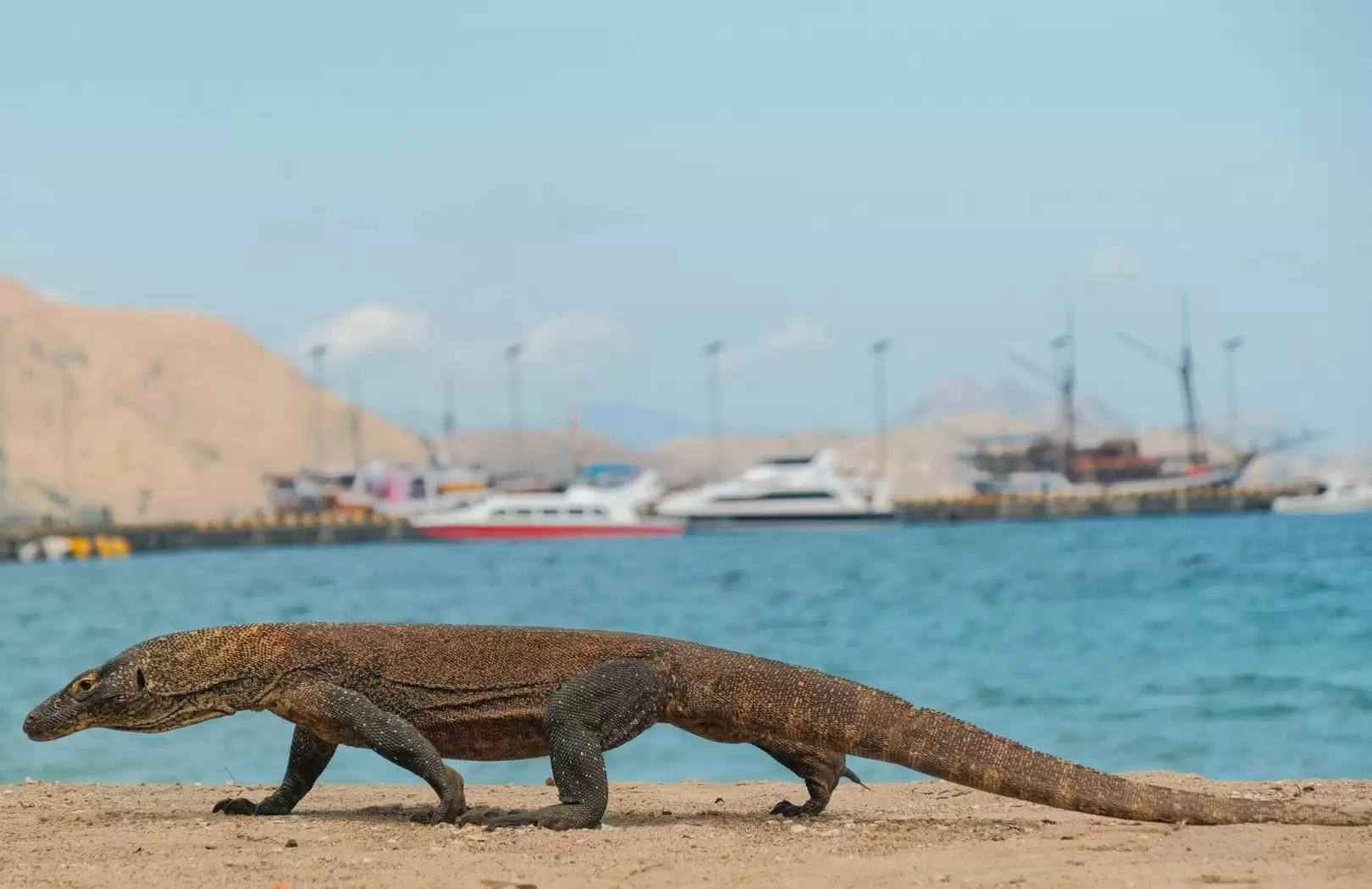
A trip to Komodo isn’t just about trekking and snorkeling—it’s about embracing the diversity of nature. After hiking on Padar, meeting the Komodo dragons, and swimming at Pink Beach, ending the day by watching bats fly over the sunset creates the perfect balance of adventure and serenity.
Kalong Island adds a poetic touch to your Komodo sailing journey, reminding you that the park’s wonders are not just on land or under the sea, but also in the skies.
Why Choose Komodo Cruise for Kalong Island
At Komodo Cruise, every itinerary is designed to showcase the best of the park—including Kalong Island. Our professional crew ensures you arrive at the perfect spot for sunset viewing, with comfortable seating, snacks, and drinks available onboard. Whether you’re joining a day trip, an open trip, or a private phinisi charter, Kalong Island will always be included as one of the highlights.
Conclusion
Kalong Island (Bat Island) is a destination unlike any other in Komodo National Park. Watching thousands of bats soar across the sky as the sun sets is a magical reminder of nature’s beauty and harmony.
Whether you are a solo traveler, a couple, or a family, this experience is one that will stay in your heart forever. On your next Labuan Bajo trip, make sure Kalong Island is on your itinerary—it’s the perfect ending to a day of Komodo adventure.